Top 10 Benefits to Use fenbendazole capsules for Dogs and Cats
Wiki Article
Discovering the Systems Behind Fenbendazole and Its Influence On Pet Health And Wellness
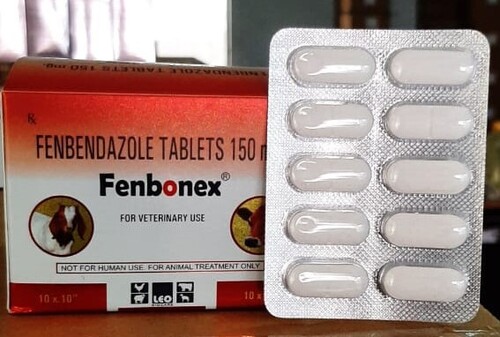
Fenbendazole is a widely used anthelmintic understood for its performance versus various parasites. Its main device involves the inhibition of microtubule formation, which interferes with essential processes in these virus. Beyond its antiparasitic residential or commercial properties, fenbendazole also appears to boost immune reactions and possesses anti-inflammatory benefits. Recognizing these multifaceted results could expose brand-new applications for pet health and wellness. However, inquiries remain regarding its full capacity and security profile.The Pharmacokinetics of Fenbendazole
The pharmacokinetics of fenbendazole, a commonly used anthelmintic in veterinary medicine, entails the study of its absorption, circulation, metabolism, and excretion within animal systems. After management, fenbendazole is swiftly soaked up from the intestinal system, with peak plasma focus taking place within hours. Its circulation is affected by factors such as tissue binding and lipid solubility, allowing it to permeate different tissues effectively. The drug undertakes considerable metabolic rate mostly in the liver, where it is exchanged energetic and non-active metabolites. These metabolites contribute in the medicine's overall efficacy and security profile. Excretion occurs primarily through feces, with a smaller sized percentage gotten rid of by means of pee. The half-life of fenbendazole varies among species, which impacts application regimens. Recognizing these pharmacokinetic buildings is necessary for maximizing its therapeutic use and ensuring reliable parasite control in veterinary techniques.Mechanisms of Activity Versus Parasites
Fenbendazole exerts its antiparasitic effects primarily via the inhibition of microtubule development in parasites. This interruption affects their structural honesty and cellular features, causing impaired basal metabolism. Because of this, the medication effectively jeopardizes the survival and reproduction of different parasitic microorganisms.Inhibition of Microtubule Development
Inhibition of microtubule formation represents a crucial system whereby particular anthelmintic agents, consisting of fenbendazole, apply their impacts on bloodsuckers. Fenbendazole binds to tubulin, a protein that creates microtubules, interrupting the polymerization process needed for microtubule assembly. This interruption harms necessary cellular functions, including mitosis, intracellular transportation, and architectural honesty. As microtubules play a critical role in preserving the form and feature of parasitical cells, their inhibition causes cell cycle apprehension and eventual fatality of the parasite. This system is particularly efficient versus nematodes, as their reliance on microtubules for wheelchair and nutrient absorption makes them vulnerable to fenbendazole. As a result, the restraint of microtubule development is a vital aspect of fenbendazole's healing effectiveness in veterinary medicine.Disruption of Basal Metabolism
Interfering with power metabolic process is one more essential mechanism by which fenbendazole targets parasitic organisms. This anthelmintic changes the power production pathways within parasites, mainly impacting their capability to produce adenosine triphosphate (ATP) By inhibiting glucose uptake and disrupting mitochondrial feature, fenbendazole limits the energy sources crucial for the survival and reproduction of these organisms. As a result, parasites come to be increasingly at risk to ecological anxieties and immune responses. In addition, the interference in basal metabolism not just impacts the parasites directly but additionally minimizes their capability to absorb nutrients, additionally impairing their growth. Generally, the interruption of energy metabolic process represents a basic element of fenbendazole's efficiency against various parasitic infections, adding significantly to boosted animal wellness end resultsProspective Side Results and Security Account
The potential adverse effects and safety profile of fenbendazole warrant mindful consideration, especially in vet applications. While generally pertained to as risk-free, some pets may experience adverse responses, consisting of gastrointestinal disruptions such as throwing up and looseness of the bowels. In addition, neurological signs, although rare, have actually been reported in sensitive people, highlighting the demand for tracking throughout treatment.
Fenbendazole's security in numerous species, consisting of canines and pet cats, has been documented, yet dosage and duration of therapy must be thoroughly taken care of to minimize dangers. Expecting or lactating pets may also require special attention, as the results on establishing fetuses or nursing spawn are not totally comprehended.
Regular veterinary consultations can aid reduce prospective negative effects and assure the medication is carried out suitably. While fenbendazole is an effective anthelmintic representative, watchfulness concerning its side effects is important for keeping pet health and wellness.
Fenbendazole's Influence on Immune Feature
Fenbendazole has been noted for its potential to regulate body immune system actions in pets. Its anti-inflammatory buildings may contribute to boosted immune feature, offering a dual advantage in taking care of wellness (fenbendazole). Understanding these results is crucial for reviewing fenbendazole's function in veterinary medicationImmune System Inflection
Anti-inflammatory Qualities
Anti-inflammatory results stand for a considerable facet of fenbendazole's impact on immune feature. Research indicates that fenbendazole may minimize the manufacturing of pro-inflammatory cytokines, which are crucial in moderating inflammatory feedbacks. By regulating these cytokines, fenbendazole can possibly relieve inflammation-related problems in pets. This anti-inflammatory activity not just help in managing signs and symptoms associated with numerous conditions however likewise improves overall immune system effectiveness. Additionally, its ability to promote a balanced immune feedback helps stop excessive inflammatory damage, which can cause chronic health and wellness problems. Fenbendazole's duty in swelling management underscores its value in vet medicine, giving a double benefit of antiparasitic activity and immune system support for pet health.Applications Beyond Typical Parasitic Infections
While primarily identified for its efficiency versus different parasitical infections, fenbendazole has actually gathered attention for possible applications beyond this typical scope. Current studies recommend that fenbendazole may have beneficial impacts on mobile health click to investigate and wellness and immune feedback, making it her latest blog an intriguing candidate for taking care of other health and wellness conditions in pets. As an example, its reported anti-inflammatory residential properties may supply alleviation for animals experiencing chronic inflammatory diseases. In addition, some study suggests that fenbendazole can contribute in supporting the general health of animals by enhancing vitamins and mineral absorption and stomach health. Furthermore, its possible as a complement therapy in cancer treatment has stimulated rate of interest, as initial findings suggest it may inhibit tumor cell growth in specific contexts. These diverse applications highlight fenbendazole's flexibility, motivating additional exploration into its diverse benefits for animal wellness past its standard use as a deworming agent.Future Research Directions and Implications for Pet Wellness
The expedition of fenbendazole's prospective applications has opened brand-new methods for study focused on improving animal health and wellness. Future research studies might concentrate on its effectiveness against a broader series of virus, consisting of microorganisms and infections, thereby expanding its role in veterinary medicine. The effects of fenbendazole's devices, such as its influence on immune modulation, warrant further examination to understand exactly how it can boost general health and wellness in various varieties.Furthermore, research might check out perfect does and formulas to make best use of effectiveness while reducing potential negative effects. Examining fenbendazole's collaborating impacts with other medicines could bring about much more reliable treatment next methods. Longitudinal research studies examining long-term outcomes in animals treated with fenbendazole could supply important understandings into its security and effectiveness. Generally, the continued exploration of fenbendazole supplies appealing possibility to improve pet health, demanding a collective approach among scientists, veterinarians, and pharmaceutical designers to facilitate innovations around.
Regularly Asked Inquiries
Can Fenbendazole Be Utilized in Animals for Bloodsucker Avoidance?
The question of whether fenbendazole can be utilized in animals for bloodsucker avoidance matters, as manufacturers look for reliable treatments (fenbendazole capsules). Research study shows it might give benefits, yet appropriate standards and vet guidance are necessary for secure useWhat Is the Recommended Dose of Fenbendazole for Various Pets?

Are There Any Recognized Medicine Communications With Fenbendazole?
Existing expertise indicates that fenbendazole may interact with particular drugs, possibly influencing their efficacy or metabolic rate. Vet specialists recommend seeking advice from with a vet to analyze specific animal cases and identify any possible communications before management.Exactly How Does Fenbendazole Compare to Other Antiparasitic Drugs?
Fenbendazole is often contrasted to other antiparasitic medicines based on effectiveness, range of activity, and security accounts. It is preferred for its efficiency against a wide variety of bloodsuckers while typically showing very little side effects in pets.Is Fenbendazole Effective Against Viral or Bacterial Infections in Pets?
The effectiveness of fenbendazole against viral or bacterial infections in animals continues to be unproven. Study mainly concentrates on its antiparasitic residential or commercial properties, with minimal evidence supporting any type of function in dealing with non-parasitic infections in veterinary medication.Report this wiki page